< NoobTron TechWork |4 Months >
Industrial Automation & Smart Manufacturing Training Program
From electrical control fundamentals to PLC, HMI, SCADA, Drives, Industrial Networking, and Smart Factory Technologies — designed for aspiring automation professionals who want to build industry-ready skills in modern manufacturing and industrial control systems.
Specialization in PLC Programming, SCADA Systems, Industrial Communications & Smart Factory Technologies
Industry-Aligned. Future-Ready.





Learn industry-relevant methodologies and tools from leading organizations shaping the future of industrial automation and smart manufacturing.
Hands-on Training. Real-world Projects. Career Ready.
DURATION
4 Months
Comprehensive, immersive program with hands-on labs and real-world automation projects.
FOCUS
Industrial Automation & Smart Manufacturing
earn with methodologies and tools used by automation professionals and industry leaders.
LEARN
From Industry Experts
Learn with methodologies and tools used by autonomous systems professionals and aerospace engineers.
OUTCOME
Job-Ready Skills
Build, test & validate automation solutions and apply them with confidence in real industrial environments.
NOTE:This program covers PLCs, HMI, SCADA, Drives, Industrial Communication Protocols, IIoT, Robotics Integration, Energy Management, FAT/SAT & Commissioning and related industry tools.
INFRASTRUCTURE IS NOW AUTOMATED. MANUFACTURING IS NOW SMART.
Other programs teach PLC programming.
We teach you to design, integrate, commission, and optimize complete industrial automation systems.
From electrical control fundamentals to PLCs, HMIs, SCADA, Drives, Industrial Networks, IIoT, and Smart Manufacturing — every module is built around real industrial applications, live hardware, and industry-standard engineering practices. Here’s how:
Hands-On Industrial Labs
Learn through real industrial hardware including PLCs, HMIs, Sensors, Drives, Control Panels, and SCADA platforms used in modern manufacturing environments.
Multi-Brand PLC Training
Gain practical exposure to leading automation platforms including Siemens, Delta, Allen Bradley, Mitsubishi, Omron, Schneider Electric, ABB, and Phoenix Contact systems.
Industrial Project-Based Learning
Build and commission real automation projects involving motor control, conveyor automation, process control, industrial communication, and smart manufacturing applications.
Smart Factory & Industry 4.0 Exposure
Explore Industrial IoT, OPC-UA, MQTT, SCADA Integration, Robotics, Energy Monitoring, and Digital Manufacturing technologies shaping the future of industry.








Industry Projects That Build Real Automation Skills





A process built for results
Clear milestones, constant communication, and zero hand-waving. Here’s how we get from idea to impact.
STEP 1
Discovery & Success Criteria
We map your current workflows, identify bottlenecks, and define clear metrics for success.
STEP 2
Map Workflows + Data Access
We map your current workflows, identify bottlenecks, and define clear metrics for success.
STEP 3
Build + Test + Security Review
We map your current workflows, identify bottlenecks, and define clear metrics for success.
STEP 4
Launch + Monitor + Iterate
We map your current workflows, identify bottlenecks, and define clear metrics for success.
A step-by-step guide
Executive Program in Industrial Automation & Smart Manufacturing
Clear milestones, constant communication, and zero hand-waving. Here’s how we get from idea to impact.
STEP 1
Explore the Program Curriculum
Industrial Automation & Smart Manufacturing

Review the detailed curriculum, modules, tools, and learning outcomes designed for real-world industrial automation, PLCs, HMI, SCADA, drives, industrial networks, and smart manufacturing roles.
STEP 2
Submit your application
STEP 3
Registration completion
STEP 4
NoobTron Trainee Offer Letter
Be ready with the course schedule
Receive your NoobTron Trainee Offer Letter and get access to the complete course schedule, batch timeline, and onboarding resources. Get ready to begin your learning journey with NoobTron!
Prefer to talk first? +1 (234) 567-890
Learn. Solve. Grow.
Solve Real-World Problems as a Software Developer
Work on real industrial challenges, collaborate with experts, and build solutions that make an impact.
Real-World Projects
Work on live industry problems from 100+ companies.
Expert Mentorship
Learn and get guidance from industry experts and senior developers.
Build & Deliver Solutions
Apply your skills to design, code, and deliver impactful solutions.
Enhance Your Portfolio
Showcase real projects and strengthen your developer portfolio.
Recognized Certification
Earn a certificate that validates your skills and boosts your career.
Program Director
Lead. Empower. Deliver Impact.
WHY CHOOSE US
Our programs help learners to use AI more confidently in day-to-day work. We combine education, real examples, and guided practice so people leave with skills they can apply immediately.
Case based Classroom
Meeting-Style Discussion & Debate
Case based Classroom
Meeting-Style Discussion & Debate
Case based Classroom
Meeting-Style Discussion & Debate
Case based Classroom
Meeting-Style Discussion & Debate
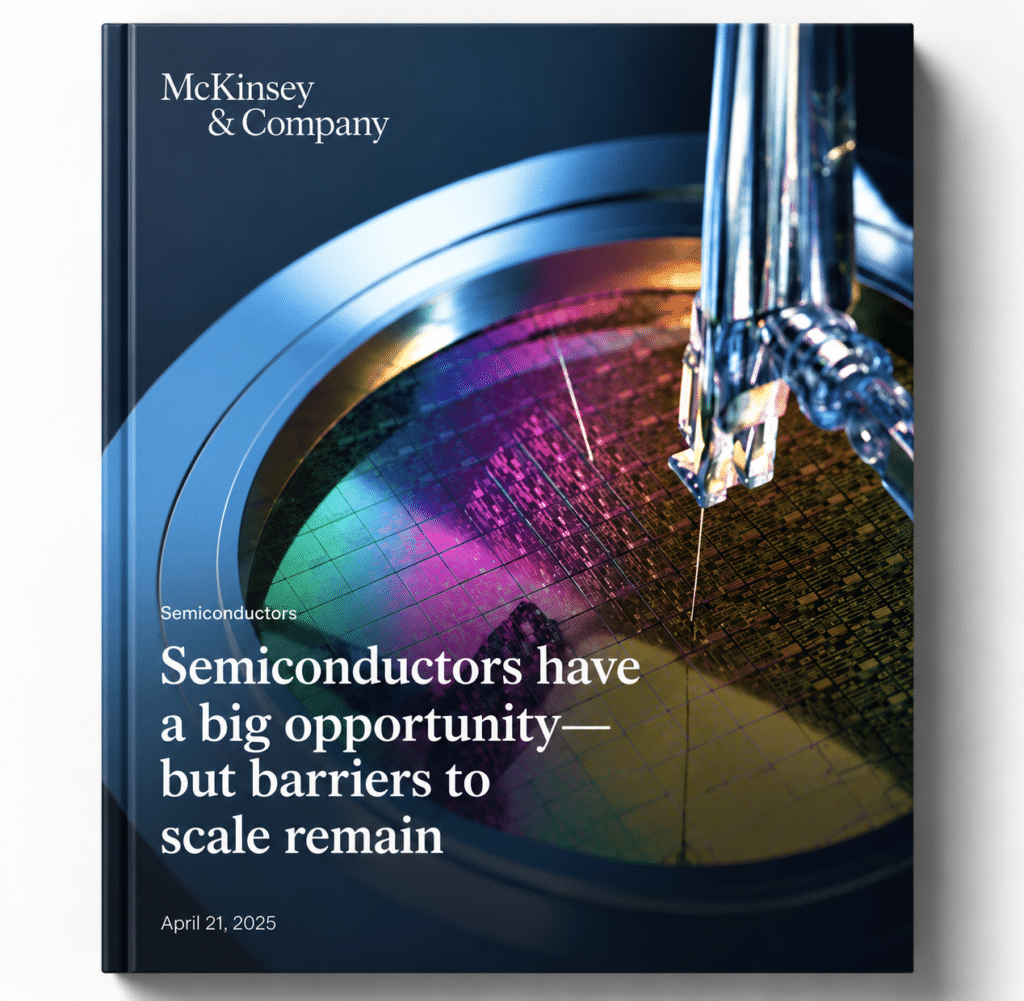
Global semiconductor companies plan to invest roughly one trillion dollars in new plants through 2030.
But first, the industry must overcome challenges.
Massive investment on the horizon
Barriers to scale remain
Capturing the full value
DOWNLOAD REPORT
0–4 MONTHS
Engineering Students, Freshers & Aspiring Automation Professionals
Engineering Students, Freshers & Aspiring Automation Professionals
Build a strong foundation in industrial automation and smart manufacturing technologies. Learn how modern factories use PLCs, HMIs, SCADA systems, sensors, drives, and industrial networks to automate processes and improve productivity.
WHAT YOU’LL GAIN
Industry-ready skills in PLC Programming, HMI Development, SCADA & Industrial Drives
Hands-on training with real automation hardware, simulation tools, and projects
Practical understanding of industrial electrical systems, sensors, and control panels
Exposure to Industry 4.0, IIoT, Smart Manufacturing & Digital Factory concepts
4+ MONTHS
Automation Technicians & Maintenance Engineers
Automation Technicians & Maintenance Engineers
Upgrade your troubleshooting, maintenance, and commissioning capabilities with advanced automation skills used in modern manufacturing plants and process industries.
WHAT YOU'LL GAIN
Expertise in PLC diagnostics, fault finding, and industrial troubleshooting
Practical experience in commissioning drives, HMIs, and industrial networks
Knowledge of preventive maintenance and plant reliability practices
Ability to optimize production systems and reduce equipment downtime
1–3 YEARS
Application Engineers & Panel Design Engineers
Application Engineers & Panel Design Engineers
Advance your expertise in industrial control system design, panel engineering, automation integration, and project execution for industrial applications.
WHAT YOU'LL GAIN
Skills in control panel design, electrical schematics, and I/O architecture
Experience integrating PLCs, HMIs, SCADA, VFDs, and industrial communication networks
Understanding of FAT, SAT, documentation standards, and commissioning procedures
Capability to design and implement complete automation solutions
3+ YEARS
Automation Engineers, System Integrators & Industry Professionals
Automation Engineers, System Integrators & Industry Professionals
Master advanced industrial automation technologies and lead the deployment of next-generation smart manufacturing systems across diverse industries.
WHAT YOU'LL GAIN
Advanced expertise in multi-brand PLCs, SCADA architecture, and industrial networking
Knowledge of IIoT, OPC-UA, MQTT, Industry 4.0, and Smart Factory implementation
Experience in robotics integration, energy management, and process optimization
Leadership skills for automation project execution, commissioning, and digital transformation initiatives
“I chose automation because it powers the world around us. I chose this program because it builds the skills to lead it.”
Who is NoobTron ElectroLab For?
Engineering Students & Freshers
Build a strong foundation in Industrial Automation, PLCs, HMIs, SCADA, Drives, and Industrial Networks while gaining the practical skills employers look for in modern manufacturing and process industries.
Diploma Holders & Automation Technicians
Upgrade your technical expertise with hands-on training in control panels, industrial sensors, motor control systems, PLC troubleshooting, commissioning, and maintenance practices used in real industrial environments.
Electrical, Electronics & Instrumentation Engineers
Learn how to design, integrate, program, and optimize industrial automation systems using multi-brand PLCs, SCADA platforms, communication protocols, and Industry 4.0 technologies.
Career Switchers & Industry Professionals
Transition into high-demand automation roles by mastering industrial control systems, smart manufacturing technologies, industrial networking, IIoT, robotics integration, and digital factory solutions.
Industry-Driven Curriculum for PLC, HMI, SCADA, Industrial Networking & Smart Manufacturing
Module 1
Introduction to Industrial Automation
- What is Industrial Automation? — objectives, benefits, and real-world examples
- Industry 4.0 overview — IoT, digital twins, cyber-physical systems
- Automation Hierarchy: Field, Control, Supervisory, and Enterprise levels
- Types of automation: Discrete, Process, and Hybrid
- Basic electrical laws — Ohm’s Law, Kirchhoff’s Voltage & Current Laws
- AC vs DC power systems — distribution, conversion, isolation basics
- Power factor, harmonics, and their impact on automation systems
- Active & passive components in control circuits — resistors, capacitors, diodes, transistors
- Functional Specification (FS) vs Design Specification (DS) — project planning basics
- Industrial-grade component ratings and standards: IEC, NEMA, IS
- Identify AC/DC power supplies and measure voltages with a multimeter
- Build a simple relay logic circuit on breadboard
- Review a basic Functional Specification document for a conveyor system
- Multimeter
- Breadboard kit
- AC/DC power supply
- Describe automation levels & hierarchy
- Apply Ohm’s & Kirchhoff’s Laws
- Identify key IEC/NEMA standards
Working development environment ready for Django projects
Module 2
Panel Board Wiring & Control Circuitry
- Types of panels — MCC (Motor Control Center), PCC, Control & PLC panels
- Panel components — Busbars, MCB, MCCB, ELCB, surge protectors, SMPS
- Contactors — AC/DC types, duty ratings, coil suppression
- Relays — electromechanical vs solid-state, fail-safe design principles
- Timers & counters — ON-delay, OFF-delay, retentive, and multi-mode types
- Logic circuits — AND, OR, XOR, NAND, latching circuits
- Wiring for interlocks, E-stops, and safety relays
- IEC 60204-1 wiring standard — color codes, ferrule labelling, cable management
- Panel testing — insulation resistance, continuity, and high-pot testing
- Wire a Star-Delta starter in a training panel
- Build an AND/OR interlock circuit using contactors
- Perform continuity and insulation resistance test on a wired panel
- Training panel board
- Contactors, MCBs, Relays
- Insulation tester
- Wire industrial control panels to IEC 60204-1
- Implement interlock & E-stop logic
- Test panel wiring safely
Confident Python fundamentals to write Django views and models
Module 3
Sensors & Transducers
- Sensor classification — analog vs digital, NPN vs PNP wiring, IP ratings
- Proximity sensors — inductive, capacitive, magnetic: working principle and applications
- Photoelectric sensors — through-beam, retro-reflective, diffuse type
- Ultrasonic sensors — level & distance measurement
- Temperature sensors — thermocouples (J, K, T), RTDs (PT100), thermistors
- Load cells — strain gauge bridge circuit, signal conditioning, calibration
- Pressure transmitters — gauge, absolute, differential pressure types
- Rotary encoders — incremental vs absolute, quadrature output
- Sensor fault finding — using oscilloscopes and multimeters for diagnostics
- Wire and test inductive, capacitive, and photoelectric sensors
- Read temperature with a thermocouple connected to a display module
- Calibrate a load cell and verify output on a process indicator
- Sensor demo kit
- Oscilloscope
- Process indicator
- RTD/thermocouple
- Select & wire sensors for industrial applications
- Calibrate transducers
- Diagnose common sensor faults
Navigate any Django project structure with confidence
Module 4
PLC Fundamentals — Delta (WPLSoft)
- What is a PLC? — evolution from relay logic, architecture: CPU, I/O, power supply
- Delta PLC model selection — DVP series overview, I/O count, special modules
- Input/output wiring — sinking vs sourcing, shielding, isolation techniques
- WPLSoft environment — navigation, I/O configuration, online/offline mode
- Ladder logic fundamentals — contacts (NO, NC), coils, rungs, scan cycle
- Basic instructions — LD, LDI, OUT, AND, OR, ANB, ORB
- SET, RESET, MC/MCR — latching and master control logic
- Timers (TON, TOF, TONO) and Counters (CTU, CTD) — configuration & cascading
- Basic MOVE and COMPARE instructions
- Program download/upload, monitoring, and basic troubleshooting
- Write a traffic-light sequence program in ladder logic
- Implement a Start-Stop-Jog motor control circuit in PLC
- Build a counter-based bottle-counting program and test on hardware
- Delta DVP PLC
- WPLSoft software
- Laptop
- I/O wiring kit
- Write and download basic ladder programs
- Configure timers & countersWire PLC digital I/O correctly
Create, read, update, delete database records using the ORM
Module 5
HMI Basics — Delta DOPSoft
- What is an HMI? — role in process monitoring and operator interaction
- DOPSoft environment — installation, workspace, simulation mode
- Creating screens — layout, templates, resolution settings
- Numeric entry and display — input validation, unit formatting
- Buttons, indicators, lamps — linking to PLC coils and registers
- Address mapping — linking PLC D, M, Y registers to HMI elements
- Password and role-based access control
- Basic alarm configuration — conditions, priorities, visual indicators
- Project upload/download to HMI hardware
- Design a 3-screen HMI project: overview, control, and alarm page
- Link numeric display to PLC register and verify live data
- Configure an alarm for over-temperature from a simulated sensor value
- Delta DOP-B series HMI
- DOPSoft software
- Delta PLC
- Create functional HMI screens
- Map PLC data to HMI elements
- Configure basic alarms
End-to-end request/response cycle: URL → view → template → HTML
Module 6
AC Drives (VFD) — Basics
- What is a VFD (Variable Frequency Drive)? — working principle, PWM, V/F control
- Types of AC motors — induction, synchronous, servo: characteristics and applications
- Load calculation for motors — sizing, duty cycle, energy efficiency
- VFD panel components — fuses, contactors, EMC filters, braking resistors
- Parameter configuration — acceleration/deceleration ramps, overload protection
- Frequency & operation command — local keypad, digital, and analog control
- Two-wire and three-wire start/stop wiring methods
- Multiple speed preset control using digital inputs
- Reading a VFD datasheet — key parameters and selection criteria
- Commission a VFD for direct motor control from keypad
- Set acceleration/deceleration and test motor response
- Configure 3-preset speed operation using digital inputs
- AC induction motor
- Delta VFD-E/M series
- Tachometer
- Commission and operate a VFD
- Configure protection parameters
- Run multi-speed presets
End-to-end request/response cycle: URL → view → template → HTML
Module 7
Mini-Project — Guided Automation Exercise
- Project requirements analysis — reading a simple functional specification
- I/O allocation and wiring plan — panel layout design
- PLC program development — ladder logic using Modules 4 topics
- HMI screen integration — start/stop, status display, alarms
- Testing and commissioning checklist for a basic system
- Documentation — I/O list, wiring diagram, program comments
- Build a conveyor motor control system with sensors, PLC, and HMI
- Test fault conditions (E-stop, sensor failure) and verify PLC response
- Present documented project for assessment
- Full beginner hardware kit (PLC + HMI + sensors + motor + VFD)
- Complete an end-to-end guided automation project
- Document I/O and wiring
- Demonstrate safe commissioning practice
End-to-end request/response cycle: URL → view → template → HTML
Technical Pre-requisites
- Linux Basics
- Networking Fundamentals
- Basic Programming Knowledge
- Understanding of Cloud Concepts
- GCP Enterprise Infrastructure Deployment
- Kubernetes Cluster on GKE
- Cloud-native Application Deployment
- BigQuery Data Analytics Platform
- Google Compute Engine
- Google Kubernetes Engine (GKE)
- Cloud Storage & IAM
- BigQuery & Cloud Monitoring
Module 1
Delta PLC — Advanced Programming (WPLSoft & ISPSoft)
- Review of scan cycle, memory map, and register types (D, M, C, T, W)
- 32-bit arithmetic — ADD, SUB, MUL, DIV with double-word registers
- Logical bitwise operations — AND, OR, XOR, NOT for masking and flags
- Advanced data handling — MOVE, COMPARE, DMOV, block operations
- Index and indirect addressing — dynamic I/O and recipe control
- High-speed counters and interrupt-driven tasks
- Analog input/output modules — scaling, filtering, and noise handling
- PID control loop setup — tuning parameters for temperature/pressure/speed
- Real-time clock (RTC) — time-based scheduling and audit timestamps
- Floating-point arithmetic — energy calculations and dosing applications
- ISPSoft structured programming — function blocks and subroutines
- Introduction to motion: Stepper motor pulse train output (PTO) configuration
- Implement a PID temperature control loop with analog input/output
- Develop a shift-based scheduling program using RTC
- Write a structured function block for a reusable motor control routine in ISPSoft
- Delta DVP PLC with analog modules
- ISPSoft / WPLSoft
- Temperature controller setup
- Write advanced 32-bit PLC programs
- Tune a PID control loop
- Use ISPSoft function blocks
Write DRY, maintainable views using Django's generic CBV system
Module 2
Siemens TIA Portal — S7-1200 Programming
- Siemens automation hierarchy — S7-1200, S7-1500, S7-300/400 comparison
- TIA Portal environment — project tree, hardware configuration, device networking
- CPU types, digital/analog I/O modules, CM communication modules
- Ladder Logic (LAD), Function Block Diagram (FBD), Structured Control Language (SCL)
- Data blocks — global DB, instance DB, symbolic vs absolute addressing
- Timers (IEC: TON, TOF, TP) and Counters (CTU, CTD, CTUD)
- Basic and advanced arithmetic instructions
- PID compact instruction for closed-loop control
- High-speed counting and motion control basics
- PROFINET setup — device discovery, IP assignment, I/O mapping
- Modbus TCP communication with external devices
- HMI integration with WinCC Basic (TIA Portal)
- Create and configure an S7-1200 project in TIA Portal
- Write a batch process program using SCL with data blocks
- Set up PROFINET communication between S7-1200 and Siemens HMI
- Siemens S7-1200 PLC
- TIA Portal v17+
- KTP700 HMI
- Program S7-1200 in LAD/FBD/SCL
- Configure PROFINET I/O
- Integrate Siemens PLC with WinCC HMI
Write DRY, maintainable views using Django's generic CBV system
Module 3
HMI Advanced — Delta & Siemens
- Recipe management — 16-bit, 32-bit, and enhanced recipes for batch control
- Uploading and downloading recipes from/to PLC registers
- Macro programming — on-screen macros, background macros, conditional execution
- Animations — dynamic graphic elements linked to PLC variables
- Image upload and logo branding — BMP/JPG/PNG integration
- Trend charts — real-time and historical data visualisation
- Bar graphs and pie charts — KPI and process dashboards
- Report generation — shift, daily, and event-based report templates
- Working with multiple HMI stations — networked HMI operation
- RS232 & RS485 serial communication from HMI to external devices
- Siemens WinCC advanced — tag management, indirect addressing, audit trails
- Build a recipe-based batch control HMI for a mixing process
- Create animated tank fill/drain visuals linked to live PLC data
- Design a shift report with trend charts exported to CSV
- Delta DOP HMI + DOPSoft
- Siemens KTP HMI + TIA Portal
- Sample PLC programs
- Implement recipe management
- Create animated HMI screens
- Generate shift/daily reports
Write DRY, maintainable views using Django's generic CBV system
Module 4
AC Drives — Advanced Configuration & PLC-HMI Integration
- Advanced parameter configuration — PID tuning on VFD, slip compensation
- Analog signal control — 0–10V and 4–20mA speed reference interfacing
- Digital & analog feedback loop integration for closed-loop speed control
- PLC to VFD interfacing — digital I/O control, register-based frequency command
- Modbus RTU communication between PLC and VFD
- HMI to VFD direct control — standalone drive-HMI project without PLC
- Multiple drive network — RS485 multi-drop topology
- VFD troubleshooting — fault codes, alarm handling, drive datasheet analysis
- Energy efficiency — power monitoring, derating, and optimisation
- Control VFD speed via Modbus RTU from a Delta PLC
- Build an HMI-only drive control panel with speed setpoint and trend display
- Diagnose and resolve 3 simulated VFD fault conditions
- Delta VFD
- RS485 cable
- Delta PLC + HMI
- Power analyser
- Control drives via Modbus RTU
- Build HMI-VFD standalone systems
- Troubleshoot drive faults
Write DRY, maintainable views using Django's generic CBV system
Module 5
Communication Protocols — RS232, RS485, Modbus
- Importance of protocols in industrial automation — serial vs fieldbus vs Ethernet
- RS232 — wiring, baud rate, point-to-point communication setup
- RS485 — multi-drop topology, termination resistors, biasing
- Modbus RTU — frame structure, function codes (01, 02, 03, 04, 05, 06, 16)
- Modbus ASCII — use cases vs RTU
- Master-slave architecture — polling, timeout handling, error detection (CRC)
- Modbus TCP/IP — client/server model over Ethernet
- Interfacing PLC, HMI, VFD, and instruments on a common RS485 bus
- Troubleshooting communication errors — noise, termination faults, address conflicts
- Protocol comparison — speed, reliability, cost, application fit
- Configure Modbus RTU between Delta PLC (master) and VFD (slave)
- Read temperature transmitter data via RS485 Modbus into PLC registers
- Use a Modbus scanner tool to diagnose a communication fault
- RS485 bus kit
- Modbus scanner software
- Delta PLC + VFD + temperature transmitter
- Configure RS232/RS485 networks
- Implement Modbus RTU/TCP
- Troubleshoot serial bus faults
Write DRY, maintainable views using Django's generic CBV system
Module 6
Multi-Brand PLC Survey — Allen Bradley & Mitsubishi
- Allen Bradley PLC — hardware architecture, ControlLogix vs MicroLogix vs CompactLogix
- Studio 5000 / RSLogix 5000 environment — project tree, tags, routines
- AB ladder logic — basic and advanced instructions, Add-On Instructions (AOI)
- Ethernet/IP — AB native protocol, tag-based addressing
- Mitsubishi PLC — FX and Q/R series overview, GX Works 2/3 environment
- Mitsubishi ladder programming — basic instructions, structured text
- CC-Link communication — Mitsubishi fieldbus network basics
- Project porting concepts — converting Delta/Siemens logic to AB/Mitsubishi
- Comparative analysis — when to choose which PLC brand
- Write a motor sequence program in Studio 5000 using tag-based addressing
- Program a counting and sorting application in GX Works
- Identify and compare equivalent instructions across Delta, Siemens, and AB
- AB CompactLogix / simulator
- Mitsubishi FX PLC / GX Works
- RSLogix software
- Program in Studio 5000 and GX Works
- Understand Ethernet/IP and CC-Link
- Port logic across PLC platforms
Write DRY, maintainable views using Django's generic CBV system
Module 7
SCADA — Introduction & Tag-Based Configuration
- SCADA architecture — supervisory control, RTU/PLC, communication, servers
- Popular SCADA platforms — Wonderware (AVEVA), Ignition, WinCC SCADA, InTouch
- Project creation — server/client model, database, communication drivers
- Tag creation — analog, digital, calculated, and system tags
- Tag organisation — groups, folders, scaling, engineering units
- Connecting to Delta and Siemens PLCs via Modbus TCP and OPC-DA/UA
- Basic SCADA screen design — gauges, buttons, indicators, flow elements
- Animations — visibility, position, fill, colour linked to tag values
- Data logging — historian setup, database storage, retrieval
- Real-time and historical trend displays
- Create a SCADA project monitoring a running PLC tank level simulation
- Build an animated process flow diagram with live tag values
- Configure historical trending and generate a process report
- SCADA software (Ignition or WinCC)
- Delta/Siemens PLC
- OPC server
- Create and configure SCADA tags
- Connect SCADA to PLC via OPC
- Build animated SCADA screens
Write DRY, maintainable views using Django's generic CBV system
Module 8
Intermediate Capstone Project
- Requirements analysis — reading and interpreting a customer specification
- I/O allocation table, panel layout, and wiring schedule preparation
- PLC program development — structured, modular code with comments
- HMI design — multi-screen interface with recipes, alarms, and trend charts
- VFD integration — Modbus-controlled speed with PLC interlock
- System testing — FAT (Factory Acceptance Test) checklist execution
- Fault injection testing — verifying alarm and safety responses
- Documentation pack — I/O list, P&ID-style logic diagram, user manual
- Fully integrate PLC + HMI + VFD on a training conveyor/sorting rig
- Perform FAT using provided test scripts and record results
- Deliver a complete project documentation pack
- Full intermediate hardware kit
- SCADA or HMI for monitoring
- Documentation templates
- Deliver a fully integrated PLC-HMI-Drive project
- Execute FAT procedures
- Produce industry-standard documentation
Write DRY, maintainable views using Django's generic CBV system
- Beginner level completed
- Comfortable with Django MTV
- Basic JavaScript knowledge
- Familiar with HTML forms
- Task manager with user accounts
- AJAX live updates (add/complete)
- User profile with photo upload
- Role-based dashboard access
- Class-Based Views mastery
- Full authentication system
- AJAX + Django integration
- Advanced ORM queries
Technical Pre-requisites
- Linux Basics
- Networking Fundamentals
- Basic Programming Knowledge
- Understanding of Cloud Concepts
- GCP Enterprise Infrastructure Deployment
- Kubernetes Cluster on GKE
- Cloud-native Application Deployment
- BigQuery Data Analytics Platform
- Google Compute Engine
- Google Kubernetes Engine (GKE)
- Cloud Storage & IAM
- BigQuery & Cloud Monitoring
Module 1
Advanced PLC Architecture & Instruction Mastery
- Multi-task PLC architecture — cyclic, interrupt, event-driven task types
- Advanced ISPSoft — parameterised function blocks, library management, code reuse
- Motion control — servo motor integration (position, torque, velocity), PLC-axis objects
- Stepper motor pulse train output — advanced profile: S-curve acceleration, multi-axis sync
- Synchronisation of multiple motion axes for coordinated robotic movement
- Safety PLC concepts — SIL (Safety Integrity Level), IEC 61508/62061 compliance
- Fail-safe I/O wiring — Category 3/4 safety circuits, safety relay integration
- Advanced fault diagnostics — self-diagnosing PLC routines, watchdog timers
- TIA Portal Safety F-CPU programming — safe LAD, F-CALL blocks
- Version control and change management for PLC programs in live plants
- Implement a 2-axis stepper motion profile with position verification
- Develop a safety circuit using safety relay with ESTOP and light curtain
- Create a parameterised ISPSoft library block for reuse across 3 projects
- Servo/Stepper motion kit
- Safety relay module
- ISPSoft + TIA Portal
- Design multi-task PLC architectures
- Program motion control axes
- Implement SIL-compliant safety circuits
Build a fully documented, authenticated REST API from scratch
Module 2
Multi-Brand PLC Deep Dive — Omron, Schneider, ABB, Phoenix, Fuji, Selec
- Omron PLC — CJ/NJ series, Sysmac Studio, structured text, EtherCAT integration
- Schneider Electric — Modicon M221/M340, EcoStruxure Control Expert, SoMachine
- ABB AC500 PLC — hardware, Automation Builder IDE, real-time control
- Phoenix Contact — PLCnext, open-source IEC 61131-3, cloud connectivity
- Fuji Electric PLC — MICREX-SX series, ladder and FBD programming
- Selec PLC — entry-level industrial applications, compact I/O systems
- Fanuc PLC — robot controller integration, PMC ladder for CNC machines
- Cross-platform mapping — migrating programs between 3+ PLC brands
- Vendor-agnostic IEC 61131-3 programming — portability best practices
- Brand selection matrix — project scale, cost, support, protocol compatibility
- Program a material handling sequence in Omron Sysmac Studio
- Configure EtherCAT I/O mapping in Omron NJ controller
- Write a common conveyor logic in 3 different PLC environments and compare
- Omron NJ/CJ PLC
- Schneider M221
- ABB AC500 / simulators for Fuji/Selec
- Program 6+ PLC brands from multiple vendors
- Apply IEC 61131-3 vendor-agnostic skills
- Execute cross-platform program migration
Build a fully documented, authenticated REST API from scratch
Module 3
Advanced Communication Protocols — PROFIBUS, EtherCAT, OPC-UA
- PROFIBUS DP/PA — GSD files, device addressing, diagnostic telegram
- PROFINET — RT vs IRT modes, device topology, MRP ring redundancy
- EtherCAT — distributed clocks, mailbox protocols, ESI files, CoE/FoE
- DeviceNet / CANopen — node addressing, object dictionary, SDO/PDO
- Industrial Ethernet — TCP/IP, UDP, OPC-DA vs OPC-UA architecture
- OPC-UA server configuration — node browsing, security certificates, subscription model
- MQTT protocol for IIoT — broker setup, publish/subscribe, QoS levels
- Protocol gateways — bridging Modbus RTU to Ethernet/OPC-UA
- Network security — VLAN segmentation, firewall rules for automation networks
- Hybrid network design — integrating legacy and modern protocols in one system
- Configure PROFIBUS DP network between S7-1500 and remote I/O module
- Set up an OPC-UA server on a PLC and browse tags from a SCADA client
- Configure a Modbus-to-MQTT gateway for IIoT cloud monitoring
- S7-1500 with PROFIBUS CM
- OPC-UA client/server software
- MQTT broker (Mosquitto)
- Design PROFIBUS/PROFINET/EtherCAT networks
- Configure OPC-UA server-client
- Implement MQTT-based IIoT connectivity
Build a fully documented, authenticated REST API from scratch
Module 4
Advanced SCADA — Design, Optimise & Integrate
- SCADA system architecture design — server redundancy, client-server, thin client
- Advanced tag management — derived tags, calculated expressions, data quality flags
- Alarm management — ISA-18.2 standard, alarm rationalisation, alarm floods
- Historian configuration — compression, retrieval, aggregation functions
- KPI dashboards — OEE (Overall Equipment Effectiveness), downtime tracking
- User management — role-based access, electronic signatures, 21 CFR Part 11 basics
- SCADA security — network segmentation, OT/IT convergence risks
- Connecting multi-brand PLCs to a single SCADA — driver configuration
- Remote monitoring — web clients, mobile SCADA, VPN-based access
- Reporting engine — scheduled reports, event-based exports to Excel/PDF
- Design a redundant SCADA architecture for a 3-zone process plant
- Build an ISA-18.2 compliant alarm management system in SCADA
- Create an OEE dashboard pulling data from two different PLC brands
- Ignition SCADA / WinCC
- Historian module
- Multi-PLC test environment
- Architect production-grade SCADA systems
- Implement ISA-18.2 alarm management
- Build KPI and OEE dashboards
Build a fully documented, authenticated REST API from scratch
Module 5
Energy Monitoring, Power Quality & Efficiency
- Power quality fundamentals — active, reactive, apparent power, power factor correction
- Harmonics in industrial systems — sources, effects, mitigation filters
- Energy metering — Modbus-enabled power analyser integration with PLC/SCADA
- Demand management — peak shaving, load scheduling, tariff optimisation
- Motor energy efficiency — IE1/IE2/IE3/IE4 motor classes, VFD derating
- Power monitoring SCADA dashboard — kWh, kVAR, PF trending
- ISO 50001 energy management system — audit trail and reporting
- Predictive maintenance — vibration, current signature analysis basics
- Connect a Modbus power analyser to PLC and log kWh and PF to SCADA
- Implement a demand-based VFD speed control algorithm
- Generate an ISO 50001 compliant energy consumption report
- Power analyser (Selec/Schneider)
- VFD with energy monitoring
- SCADA with historian
- Integrate Modbus energy meters into SCADA
- Implement peak demand management
- Produce ISO 50001 energy reports
Build a fully documented, authenticated REST API from scratch
Module 6
Robot Arm Integration & IIoT Fundamentals
- Industrial robot types — SCARA, 6-axis, delta, collaborative (cobot)
- Robot safety — ISO 10218, risk assessment, fencing and light curtain integration
- Fanuc PMC — robot controller PLC ladder programming basics
- ABB robot — RAPID programming overview, digital I/O handshaking with PLC
- PLC-robot communication — discrete I/O, EtherNet/IP, PROFINET integration
- Pick-and-place sequence programming — vision trigger, conveyor tracking concepts
- IIoT fundamentals — edge computing, MQTT, cloud platforms (Azure IoT / AWS IoT)
- Data pipeline — PLC → OPC-UA → MQTT broker → cloud dashboard
- Condition monitoring — sending PLC diagnostics to cloud historian
- Digital twin concept — virtual model linked to live PLC tags
- Program a PLC-robot I/O handshake sequence for pick-and-place
- Build a cloud dashboard displaying live PLC data via MQTT
- Design a simple digital twin display for a conveyor system
- Robot arm simulator / Fanuc training kit
- MQTT broker
- Cloud IoT platform
- Interface PLC with industrial robots
- Build MQTT-to-cloud IIoT pipelines
- Understand digital twin concepts
Build a fully documented, authenticated REST API from scratch
Module 7
Project Engineering & Commissioning Best Practices
- Project lifecycle — concept, FEED, detailed design, procurement, FAT, SAT, handover
- Functional Specification (FS) and Design Specification (DS) authoring
- Cause & Effect (C&E) matrix — mapping inputs to outputs systematically
- P&ID reading and instrument data sheets for automation engineers
- Panel audit checklist — IEC 60204-1 compliance verification
- FAT (Factory Acceptance Test) and SAT (Site Acceptance Test) protocols
- Change management in live plants — MOC (Management of Change) process
- Backup & restore strategy — PLC, HMI, SCADA program versioning
- Commissioning safety — LOTO (Lockout/Tagout), PTW (Permit to Work)
- Handover documentation — O&M manuals, as-built drawings, training plans
- Author a FS and C&E matrix for a provided process description
- Conduct a panel audit on a training panel and produce a defect report
- Execute a mock FAT session using a provided test script
- Documentation templates
- Panel audit checklist
- Training panel
- Author FS/DS and C&E documents
- Conduct FAT/SAT procedures
- Apply LOTO and commissioning safety
Build a fully documented, authenticated REST API from scratch
Module 8
Advanced Capstone — Full Industrial Control System
- Project brief — complex multi-zone process (e.g. bottling line, batch reactor, material handler)
- System architecture design — PLC, HMI, SCADA, Drives, Robot, communication network
- Panel schematic and I/O schedule preparation
- Multi-brand PLC programming — primary Siemens S7-1200 + secondary Delta/Omron
- Advanced HMI — recipes, animations, reports, multi-screen navigation
- SCADA integration — real-time monitoring, historian, OEE dashboard
- Safety circuit implementation — E-stop, light curtain, SIL verification
- Energy monitoring integration — power analyser on SCADA
- FAT execution against customer specification
- Final presentation — technical walkthrough, live demo, Q&A
- Design and build complete control architecture on training hardware
- Perform full FAT including fault injection and safety verification
- Present and defend the project to a panel assessor
- Advanced hardware kit (multi-PLC + HMI + SCADA + VFD + robot simulator)
- Architect and deliver a production-grade automation system
- Integrate PLC, HMI, SCADA, Drives, and Safety in one project
- Lead FAT and commissioning independently
Build a fully documented, authenticated REST API from scratch
Technical Pre-requisites
- Linux Basics
- Networking Fundamentals
- Basic Programming Knowledge
- Understanding of Cloud Concepts
- GCP Enterprise Infrastructure Deployment
- Kubernetes Cluster on GKE
- Cloud-native Application Deployment
- BigQuery Data Analytics Platform
- Google Compute Engine
- Google Kubernetes Engine (GKE)
- Cloud Storage & IAM
- BigQuery & Cloud Monitoring
NoobTron TechWorks
Learners work at Leading Cloud & Tech Companies Worldwide







































Free Career Guidance for Industrial Automation Careers
Speak with our industry experts and discover the right pathway into Industrial Automation, PLC Programming, SCADA Systems, Industry 4.0, and Smart Manufacturing.
Take the first step toward becoming an Industry-Ready Automation Professional
FEES & ENROLLMENT
Starting at ₹7,999/month*
Total Program Fee ₹80,000*
Master Industrial Automation, PLC Programming, HMI, SCADA, Industrial Networking, Drives, Industry 4.0 & Smart Manufacturing through a comprehensive hands-on training program designed for future-ready automation professionals.
WHAT’S INCLUDED
Flexible EMI Options Available
Affordable monthly payment plans to support your learning journey.
Hands-On Training from Day 1
Practical exposure to PLCs, HMIs, SCADA Systems, Industrial Drives, Sensors, and Industrial Communication Networks.
Industry 4.0 & Smart Manufacturing Modules
Learn Industrial IoT, OPC-UA, MQTT, Smart Factory Technologies, Robotics Integration, and Digital Manufacturing concepts.
Real-World Industrial Projects
Work on automation projects involving conveyor systems, process control, SCADA integration, industrial networking, and smart manufacturing applications.
Success Stories from NoobTron ElectroLab Learners
See how our learners transformed their careers through Industrial Automation, PLC Programming, SCADA Systems, Industrial Networking, and Smart Manufacturing technologies.
"Joining NoobTron ElectroLab was a turning point in my career. The hands-on training in PLC Programming, HMI Development, and Industrial Automation Projects gave me the confidence to work on live industrial systems. The practical approach and industry-focused curriculum helped me secure a role in an automation solutions company."
"The program provided excellent exposure to Siemens, Delta, and Mitsubishi PLC platforms along with SCADA integration. The real-world projects and expert guidance helped me bridge the gap between academics and industry requirements. Today, I am working on industrial automation projects with confidence."
"The multi-brand PLC training, industrial communication protocols, and commissioning practices covered in the program were highly relevant to industry needs. The faculty focused on practical implementation rather than theory alone, which significantly improved my technical skills and career opportunities."
"The Smart Manufacturing and Industry 4.0 modules gave me exposure to modern industrial technologies including SCADA, OPC-UA, MQTT, and Industrial IoT concepts. The capstone project helped me understand complete automation system integration from design to commissioning."
Ready to Become a Google Cloud Professional?
CERTIFICATE
Will you be certified? Absolutely.
Earn a Certificate of Excellence from NoobTron ElectroLab and validate your expertise in Industrial Automation, PLC Programming, SCADA Systems, Industrial Networking, Industry 4.0, and Smart Manufacturing Technologies.

WHERE INDUSTRY 4.0 & SMART MANUFACTURING CREATE OPPORTUNITIES
Automation isn’t replacing engineers.
It’s creating demand for engineers who can design, integrate, and optimize intelligent industrial systems.
85%
Manufacturers Accelerating Digital Transformation
Manufacturers worldwide continue investing in automation, smart factories, industrial IoT, and data-driven operations to improve productivity, quality, and operational efficiency.
Source: Industry 4.0 & Smart Manufacturing Industry Reports
#1
Most In-Demand Skill in Modern Manufacturing
Industrial Automation, PLC Programming, SCADA, Industrial Networking, and Industry 4.0 technologies remain among the most sought-after technical skills across manufacturing and process industries.
Source: Manufacturing Workforce & Skills Surveys
70%+
Industrial Systems Require Automation Integration
A significant percentage of modern production facilities rely on PLCs, SCADA systems, industrial communication networks, sensors, drives, and control systems for daily operations.
Source: Global Industrial Automation Market Studies
$400+ Billion
Global Industrial Automation Market
The industrial automation market continues to expand rapidly, driven by smart manufacturing, robotics, digital factories, industrial IoT, and energy-efficient production systems.
Source: Global Industrial Automation & Control Systems Market Reports
The Industrial Automation & Smart Manufacturing Training Program by NoobTron ElectroLab is a comprehensive, industry-oriented training program designed to equip learners with practical expertise in PLC Programming, HMI Development, SCADA Systems, Industrial Drives, Industrial Networking, Industry 4.0, IIoT, and Smart Manufacturing technologies.
This program is ideal for Engineering Students, Diploma Holders, Freshers, Automation Technicians, Electrical Engineers, Electronics Engineers, Instrumentation Engineers, and professionals looking to build or advance their careers in industrial automation.
No. The program starts with industrial automation fundamentals and progressively advances to PLCs, SCADA, industrial communication protocols, commissioning, and smart manufacturing applications.
You will learn:
- Industrial Electrical & Control Systems
- PLC Programming
- HMI Development
- SCADA Systems
- Industrial Drives & VFDs
- Sensors & Instrumentation
- Industrial Communication Protocols
- Modbus, PROFIBUS, PROFINET
- OPC-UA & MQTT
- Industry 4.0 & IIoT
- Robotics Integration
- Energy Management Systems
- FAT, SAT & Commissioning
The program emphasizes hands-on learning through industrial labs, real-world automation projects, case studies, simulation exercises, and live industrial applications.
Yes. Learners complete industry-relevant projects such as:
- Conveyor Automation Systems
- Process Control & SCADA Integration
- Industrial Network Implementation
- Smart Factory Monitoring Systems
PLC-Based Industrial Applications
Yes. The curriculum includes Industrial IoT (IIoT), Smart Manufacturing, OPC-UA, MQTT, Digital Factory Concepts, Data Acquisition, and Industrial Connectivity technologies.
Yes. You will gain practical exposure to industrial communication protocols such as Modbus, PROFIBUS, PROFINET, RS485, OPC-UA, and Ethernet-based industrial communication systems.
Yes. Learners are introduced to major industrial automation platforms such as Siemens, Delta, Allen Bradley, Mitsubishi, Omron, Schneider Electric, ABB, and Phoenix Contact.
The training is delivered by experienced industry professionals, automation engineers, and subject matter experts with practical exposure to industrial projects and manufacturing environments.
Yes. Learners receive technical guidance, project mentoring, career counseling, and support throughout the training journey.
Yes. Regular assessments, practical exercises, project evaluations, and technical discussions are conducted to ensure skill development and industry readiness.
Successful participants can pursue roles such as:
- PLC Engineer
- SCADA Engineer
- Automation Engineer
- Control Systems Engineer
- Instrumentation Engineer
- Industrial Network Engineer
- Commissioning Engineer
- Application Engineer
- Maintenance Engineer
- Industry 4.0 Engineer
Smart Manufacturing Engineer
Yes. The curriculum is designed around industry requirements and focuses on practical implementation, troubleshooting, system integration, commissioning, and project execution skills.
Career guidance, resume support, interview preparation, and industry mentoring are provided to help learners prepare for employment opportunities.
The Industrial Automation & Smart Manufacturing Training Program is a 4-Month intensive training program.
Yes. Flexible EMI options are available for eligible participants.
Yes. Learners receive access to training materials, project resources, practical exercises, and learning support throughout the program.
Yes. Upon successful completion, participants receive a Certificate of Completion in Industrial Automation & Smart Manufacturing from NoobTron ElectroLab.